

Understanding the intricacies of skin cancer is vital in the battle against the disease, which remains one of the most common yet preventable forms of cancer globally. This disease primarily results from the skin’s prolonged exposure to ultraviolet (UV) radiation, manifesting in various forms, each with its unique characteristics and levels of severity. This blog aims to shed light on the three principal types of skin cancer: Basal Cell Carcinoma (BCC), Squamous Cell Carcinoma (SCC), and Melanoma, emphasising the importance of early detection and prevention.
Basal Cell Carcinoma (BCC)
Accounting for approximately 80% of skin cancers, BCC is the most common form, originating from the basal cells in the skin’s lowest layer. It typically presents as a painless growth or lesion on sun-exposed areas of the skin, such as the face, neck, and arms. These lesions may appear shiny, pearly, waxy, or even resemble a scar. Fortunately, BCC tends to grow slowly and rarely spreads (metastasizes) to other parts of the body. However, if left untreated, it can cause significant local damage by invading surrounding tissues.
Squamous Cell Carcinoma (SCC)
SCC is the second most prevalent form of skin cancer, arising from the squamous cells that constitute the majority of the skin’s upper layers. It is more aggressive than BCC and can spread to other body parts if not promptly addressed. SCC often appears as a red, scaly patch, an open sore, or a wart-like growth that may crust or bleed. Common areas affected include the rim of the ear, face, neck, arms, chest, and back. Exposure to UV radiation, either from the sun or tanning beds, significantly increases the risk of developing SCC.
Melanoma
Melanoma is the most aggressive and life-threatening form of skin cancer, originating in the melanocytes, the cells responsible for producing melanin, the pigment that gives skin its colour. Unlike BCC and SCC, melanoma has a high potential for spreading to other parts of the body and organs, making it the most dangerous form of skin cancer. Early detection of melanoma significantly improves the prognosis. The ABCDE rule (Asymmetry, Border irregularity, Color variation, Diameter larger than 6mm, Evolving size, shape, or colour) is a helpful guide for identifying potential melanomas. Everyone, regardless of skin colour, can develop melanoma, making regular skin checks a crucial preventive measure.
Prevention and Early Detection
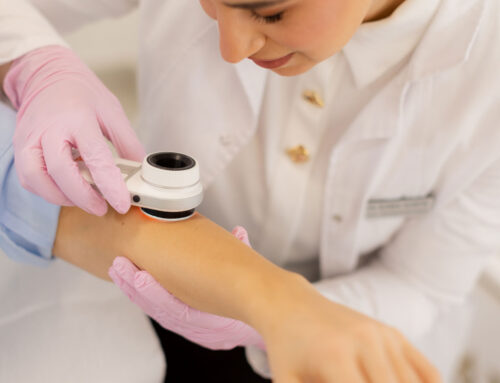
Preventing skin cancer starts with protecting the skin from excessive sun exposure and avoiding indoor tanning. Wearing protective clothing, applying broad-spectrum sunscreen with an SPF of 30 or higher, and seeking shade during peak sun hours are effective prevention strategies. Regular self-examinations and professional skin checks are essential for early detection, particularly for individuals with a high risk of skin cancer.
Conclusion
Understanding the different types of skin cancer and their respective risks can empower individuals to take proactive steps toward prevention and early detection. BCC and SCC, while less aggressive than melanoma, still pose significant health risks if left untreated. Melanoma, although less common, requires immediate attention due to its potential to spread rapidly. Embracing preventive measures, conducting regular skin examinations, and consulting a healthcare provider for any concerns are key strategies in the fight against skin cancer. Early detection remains the cornerstone of successful treatment and significantly improves the chances of a positive outcome.






Leave A Comment