
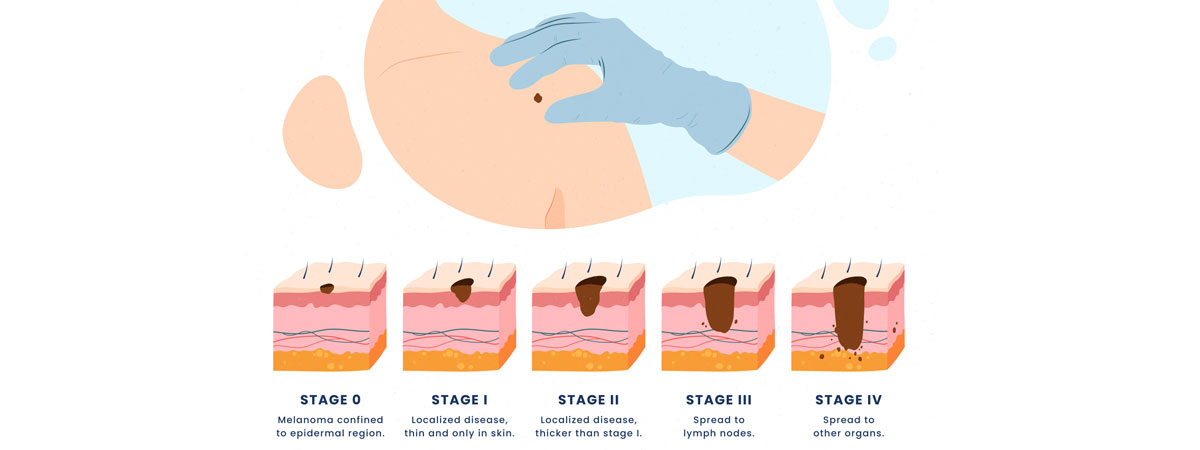
Skin cancer is the most common form of cancer globally, and it predominantly results from the skin’s exposure to ultraviolet (UV) radiation. While skin cancer can be deadly, early detection significantly increases the chances of successful treatment. This blog post will delve into the three main types of skin cancer: basal cell carcinoma (BCC), squamous cell carcinoma (SCC), and melanoma, highlighting their characteristics, risks, and the importance of vigilance and early detection.
Basal Cell Carcinoma (BCC)
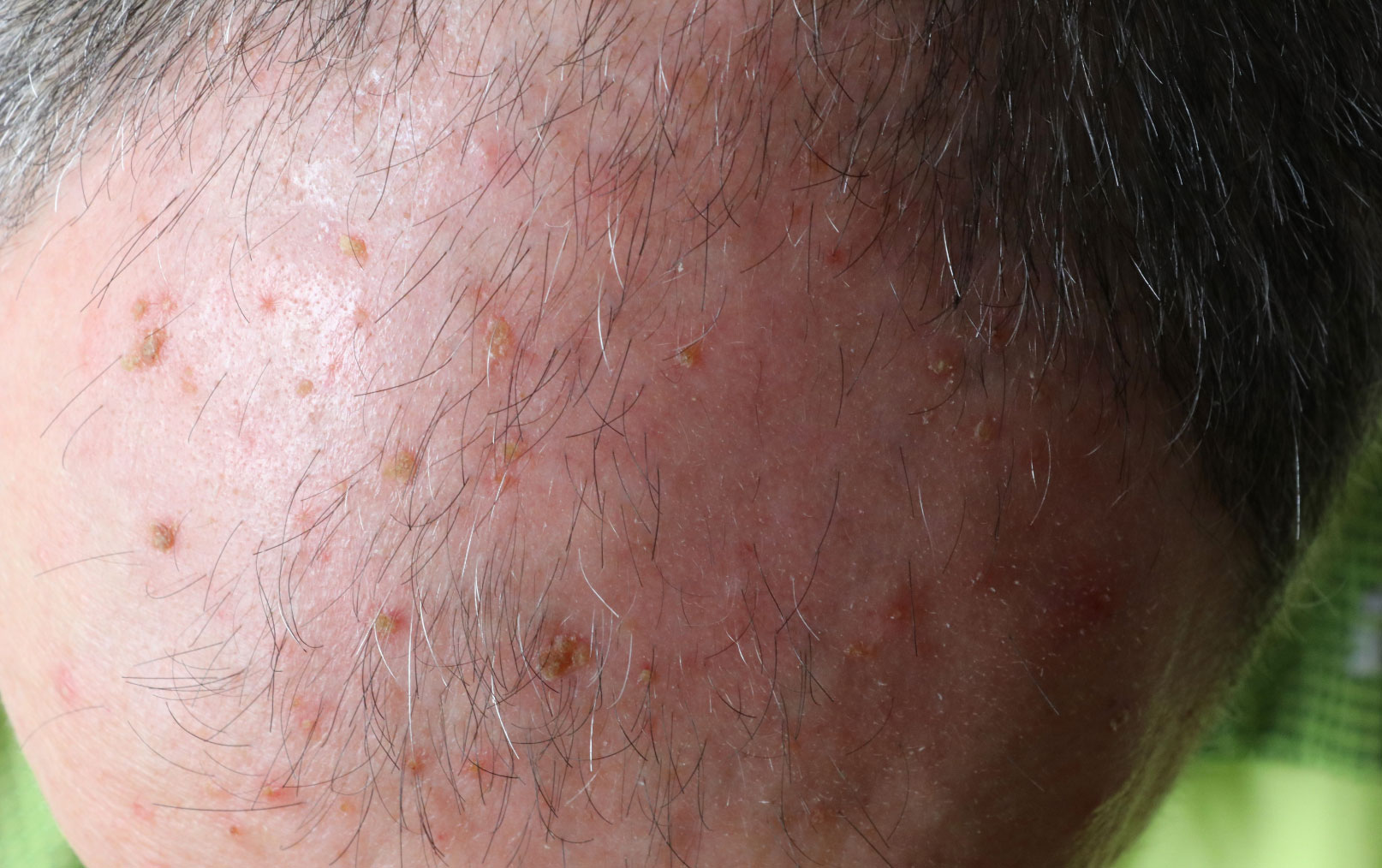
BCC is the most common yet least aggressive form of skin cancer. It arises from the basal cells located in the deepest layer of the epidermis. BCCs often manifest as open sores, red patches, shiny bumps, or scars and are predominantly found on areas frequently exposed to the sun, such as the face, ears, neck, scalp, and shoulders. Despite their slow growth, BCCs can penetrate deeply into surrounding tissues and bones, causing significant damage if untreated.
Prevention and Treatment: Avoiding excessive sun exposure and using sunscreen can significantly reduce the risk of developing BCC. Treatments typically involve surgical removal, and in cases where surgery is not viable, topical treatments or radiation may be employed.
Squamous Cell Carcinoma (SCC)
SCC is the second most common type of skin cancer, originating in the squamous cells that compose most of the upper layers of the skin. SCCs can appear as scaly red patches, open sores, elevated growths with a central depression, or warts; they may crust or bleed. SCC is more aggressive than BCC and can metastasize to other parts of the body if not treated promptly.
Prevention and Treatment: Reducing UV exposure is key to preventing SCC. Treatment options include surgical excision, cryotherapy (freezing the cancer cells), or photodynamic therapy (PDT), depending on the cancer’s size and location.
Melanoma
Melanoma is the deadliest form of skin cancer and originates in the melanocytes, cells that produce melanin, the pigment that gives skin its colour. Melanoma can develop in existing moles that become cancerous or as new lesions. Warning signs include changes in size, shape, or colour of a mole, the appearance of a new growth on the skin, or a sore that doesn’t heal.
Prevention and Treatment: Limiting sun exposure, wearing protective clothing, and applying sunscreen can help prevent melanoma. Early detection is crucial, and treatments can include surgical removal, immunotherapy, targeted therapy, radiation, or chemotherapy, depending on the stage and location of the melanoma.
The Importance of Early Detection
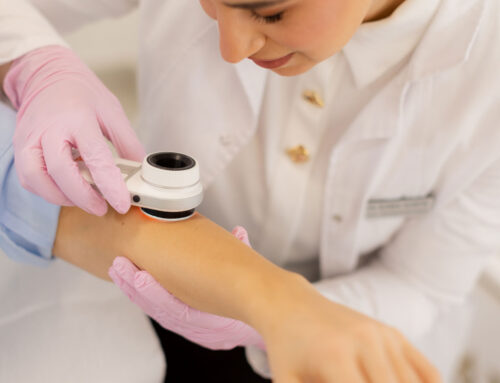
Early detection of skin cancer increases the success rate of treatments and can save lives. Regular self-examinations and professional skin checks are essential components of early detection strategies. Familiarising yourself with the skin’s appearance and monitoring for any changes can lead to early diagnosis and treatment, significantly improving outcomes.
In conclusion, understanding the different types of skin cancer and their specific characteristics can empower individuals to take proactive steps in prevention, early detection, and seeking prompt treatment. Regular skin examinations by a healthcare professional and adopting protective measures against UV radiation are key strategies in combating the prevalence of skin cancer.






Leave A Comment