
The sun emits radiation in the form of ultraviolet (UV) light, which can be both beneficial and harmful. While it’s a vital source of vitamin D, essential for bone health and immune function, excessive exposure to UV radiation increases the risk of skin cancer, accelerates skin ageing, and can cause eye damage. Understanding how to protect yourself from the harmful effects of the sun is crucial, especially considering the depleting ozone layer, which has increased the risk of sun damage from UV radiation. This blog post aims to provide comprehensive sun protection tips for everyday life to minimise these risks.
Understand the UV Index
The UV Index is a critical tool that measures the sun’s radiation level and its potential to harm the skin. It ranges from 0 to 11+, where higher values represent greater danger of skin and eye damage. Checking the daily UV Index in your area can help you decide how to dress and what protective measures to take before going outdoors.
Seek Shade
One of the simplest ways to protect yourself from direct sun exposure is to seek shade, especially during peak UV radiation hours, typically from 10 AM to 4 PM. Use trees, umbrellas, or canopies to shield yourself when outdoor activities are unavoidable during these hours.
Wear Protective Clothing
Long-sleeved shirts, long pants, and broad-brimmed hats offer excellent protection against UV rays. Fabrics with a tight weave and dark colours provide better UV protection. Some clothing even comes with an Ultraviolet Protection Factor (UPF) rating, indicating the extent of UV protection the garment provides.
Use Sunglasses
Eyes are vulnerable to UV damage, leading to cataracts and other eye conditions. Wear sunglasses that block 100% of UV rays to protect your eyes. Wrap-around sunglasses offer the best protection by blocking UV rays that might enter around the frame.
Apply Broad-Spectrum Sunscreen
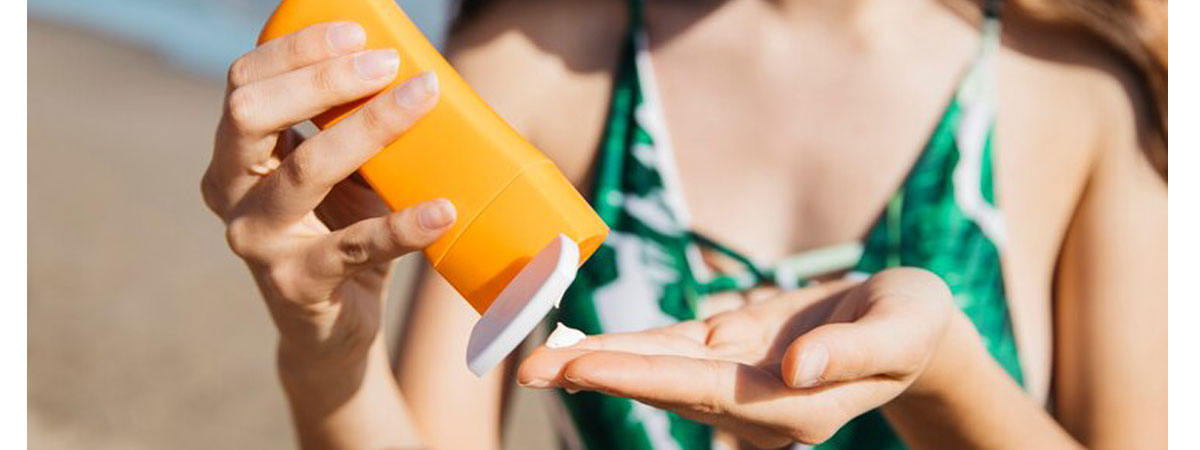
A broad-spectrum sunscreen protects against both UVA (ageing rays) and UVB (burning rays) radiation. Use sunscreen with a Sun Protection Factor (SPF) of 30 or higher. Apply generously on all exposed skin, including ears, neck, and the back of your hands, 15 to 30 minutes before going outside. Reapply every two hours, or after swimming or sweating, to maintain effective protection.
Avoid Tanning Beds
Tanning beds emit UV rays that can increase the risk of skin cancer. Embrace your natural skin tone and avoid using tanning beds as a source of UV exposure.
Stay Hydrated and Use Antioxidants
Hydration is key to maintaining healthy skin. Drink plenty of water throughout the day. Incorporating antioxidants into your diet or skincare routine can also help combat UV-induced damage by neutralising free radicals. Foods rich in antioxidants include berries, nuts, green tea, and vegetables.
Educate and Protect Children
Children’s skin is more sensitive to UV radiation, making them more susceptible to sunburn and skin damage. Teach children the importance of sun safety from a young age, including wearing hats and applying sunscreen. Ensure they wear UV-protective swimwear and reapply sunscreen frequently.
In conclusion, integrating these sun protection measures into your daily routine can significantly reduce the risk of skin damage and skin cancer. Remember, the best defence against UV damage is a comprehensive approach that includes seeking shade, wearing protective clothing, applying broad-spectrum sunscreen, and staying hydrated. By taking proactive steps to protect yourself and your loved ones from the sun’s harmful rays, you can enjoy the outdoors safely and maintain healthy, youthful skin for years to come.





Leave A Comment