

Understanding the role of genetics in skin cancer is crucial for developing strategies for prevention, early detection, and treatment. Skin cancer, including melanoma, basal cell carcinoma (BCC), and squamous cell carcinoma (SCC), can be influenced by genetic factors, but environmental factors, particularly UV exposure, play a significant role as well. This expanded blog post delves into how genetics contribute to skin cancer risk and what individuals can do to mitigate these risks.
Genetic Predisposition to Skin Cancer
Certain genes can increase the susceptibility to skin cancer. For melanoma, one of the most dangerous forms of skin cancer, genetic mutations in genes like CDKN2A (p16), CDK4, and BAP1 have been linked to an increased risk. Families with a history of melanoma may carry these genetic mutations, which can be passed from one generation to the next.
For non-melanoma skin cancers, such as BCC and SCC, genetic predispositions also exist. For example, mutations in the PTCH1 gene are associated with Gorlin syndrome, which significantly increases the risk of developing BCC.
The Role of Family History
Having a family history of skin cancer increases an individual’s risk. This could be due to shared genetic factors, similar skin types, and family habits related to sun exposure. Individuals with a first-degree relative (parent, sibling, or child) who has had skin cancer are at a higher risk and should be particularly vigilant about skin checks and sun protection.
Moles and Genetic Risk
The number and type of moles on a person’s skin can also be influenced by genetics. Having a large number of moles (more than 50) or having atypical (dysplastic) moles can increase the risk of developing melanoma. These traits can run in families, further highlighting the role of genetics in skin cancer risk.
Genetic Testing for Skin Cancer
For individuals with a strong family history of skin cancer, genetic testing may be an option to determine their risk. Genetic counselling can provide guidance on the benefits and limitations of genetic testing and help interpret the results in the context of individual and family medical history.
Prevention and Early Detection
Regardless of genetic risk, prevention and early detection are key to managing skin cancer risk. This includes:
Limiting UV exposure by seeking shade, wearing protective clothing, and applying broad-spectrum sunscreen.
Regularly performing self-examinations to check for new or changing moles and skin lesions.
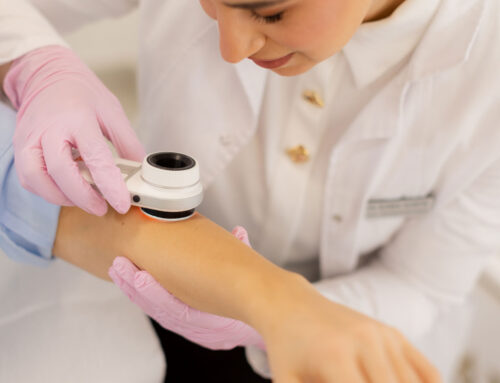
Scheduling annual skin checks with a dermatologist, especially for those with a family history of skin cancer or other risk factors.
Conclusion
While genetics play a significant role in the risk of developing skin cancer, environmental factors, particularly sun exposure, are also critical. Understanding your genetic risk can inform your approach to skin cancer prevention and early detection. Regardless of genetic makeup, adopting protective measures against UV exposure and monitoring your skin for changes are essential steps everyone can take to reduce their risk of skin cancer. For those with a significant family history of skin cancer, discussing genetic testing and regular dermatological check-ups with a healthcare provider is advisable.






Leave A Comment