

Regular skin checks are an indispensable component of a comprehensive skin care regimen, particularly when it comes to the early detection and prevention of skin cancer. Skin cancer is the most common form of cancer globally, but it’s also one of the most preventable and treatable types, especially when caught early. This blog underscores the critical importance of regular skin examinations by both individuals and healthcare professionals.
Early Detection Saves Lives
The primary reason for regular skin checks is the potential for early detection of skin cancer. Melanoma, for instance, can be deadly if not caught early, but it’s highly treatable when detected in its initial stages. Regular skin checks can lead to the identification of melanomas and other skin cancers early on, significantly increasing the chances of successful treatment and survival.
Self-exams: A Simple Yet Effective Tool
Self-examinations should be conducted monthly and can be a powerful tool for early detection. They involve checking the skin for any new moles or changes to existing moles, utilising the ABCDE method to identify potential issues. Changes in size, shape, colour, or texture of moles or other skin lesions should prompt a consultation with a dermatologist.
The Role of Professional Skin Examinations
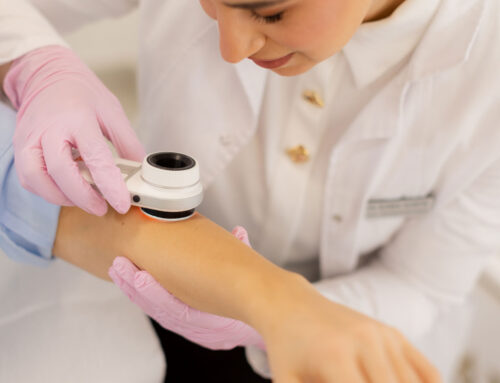
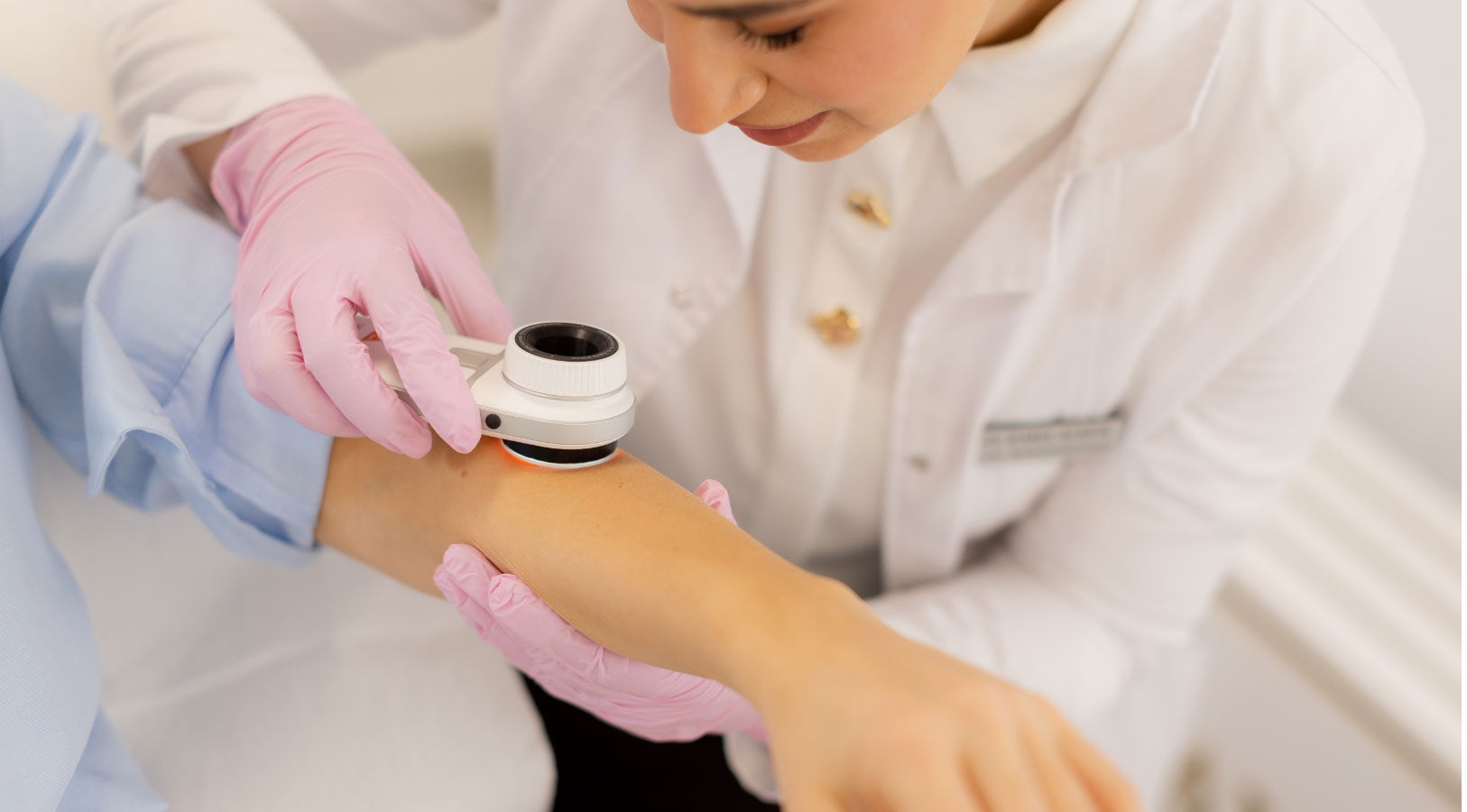
While self-exams are crucial, they cannot replace the expertise provided by professional skin checks performed by dermatologists. These professionals use advanced diagnostic tools, such as dermoscopy, to examine moles and lesions more thoroughly than the naked eye can. They can also access areas that are hard for individuals to see, ensuring a comprehensive skin examination.
Risk Factors and Skin Checks
Certain individuals may be at a higher risk of developing skin cancer due to factors such as a family history of skin cancer, a personal history of sunburns, the presence of many moles or atypical moles, fair skin that burns easily, and a history of using tanning beds. People with these risk factors should consider more frequent dermatological exams, in addition to their regular self-checks.
Technology and Telemedicine
Advancements in technology and the rise of telemedicine have made skin checks more accessible than ever. Digital dermoscopy, for example, allows dermatologists to examine high-resolution images of moles and lesions, enabling remote monitoring over time. This technological evolution ensures that even those in remote areas can receive expert advice and peace of mind.
Conclusion
Incorporating regular skin checks into your healthcare routine is a simple yet effective strategy for safeguarding your skin health. Both self-examinations and professional evaluations are key to the early detection of skin cancer. Remember, the earlier skin cancer is detected, the easier it is to treat. If you’ve never had a professional skin check or if it’s been a while since your last one, consider scheduling an appointment with a dermatologist. It’s a small step that could potentially save your life. Embrace the mantra of regular skin checks—it’s not just about detection; it’s about prevention and ensuring a healthy future for your skin.





Leave A Comment