

Skin cancer is surrounded by a myriad of myths and misconceptions that can significantly impact public perception and individual behaviour regarding sun protection and skin health. This blog aims to debunk some of the most common myths about skin cancer, using scientific evidence to clarify misconceptions and promote informed decisions about skin care and sun exposure.
Myth 1: Only People with Fair Skin Get Skin Cancer
While it’s true that individuals with fair skin, light eyes, and red or blond hair have a higher risk of developing skin cancer due to lower levels of melanin, skin cancer does not discriminate by skin colour. People of all skin tones can and do get skin cancer. Melanin does provide some protection against the damaging effects of UV radiation, but no one is immune. In fact, skin cancer in people with darker skin tones is often diagnosed at later stages when it is more difficult to treat.
Myth 2: You Can’t Get Burned on Cloudy Days
Up to 80% of the sun’s UV rays can pass through clouds, meaning you can still get sunburned even on overcast days. This misconception leads many to forego sunscreen when the sky is cloudy, increasing their risk of sun damage and, ultimately, skin cancer.
Myth 3: Tanning Beds Are Safer Than Sunbathing
Tanning beds emit UVA and UVB radiation, just like the sun, and can increase the risk of skin cancer. According to the World Health Organization, using tanning beds before the age of 30 increases one’s risk of developing melanoma by 75%. Tanning beds are not a safe alternative to natural sunlight; they pose significant risks to users.
Myth 4: If You Wear Sunscreen, You’re Fully Protected
While sunscreen is a crucial tool in protecting against UV radiation, it does not offer 100% protection. Sunscreens should be broad-spectrum (protecting against both UVA and UVB rays), SPF 30 or higher, and applied generously and regularly. Additionally, wearing protective clothing, seeking shade, and avoiding the sun during peak hours are essential steps in a comprehensive sun protection strategy.
Myth 5: Vitamin D Deficiency Is a Concern If You Use Sunscreen
The body needs sunlight to produce vitamin D, but you don’t need to risk sun damage to meet your vitamin D requirements. A small amount of sun exposure is sufficient for vitamin D synthesis, and it’s possible to obtain adequate vitamin D from diet and supplements without increasing skin cancer risk.
Myth 6: Skin Cancer Is Always Visible and Easy to Detect
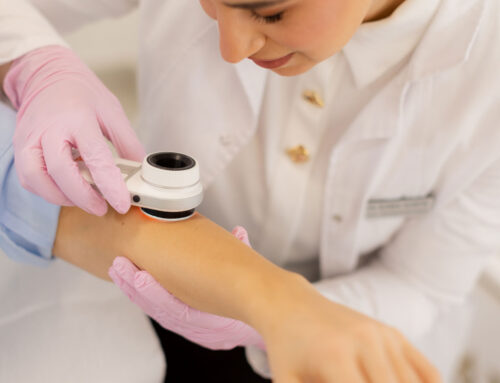
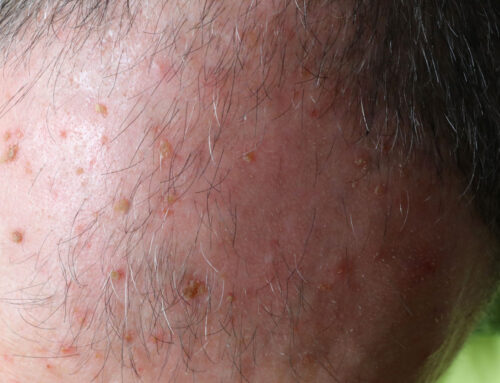
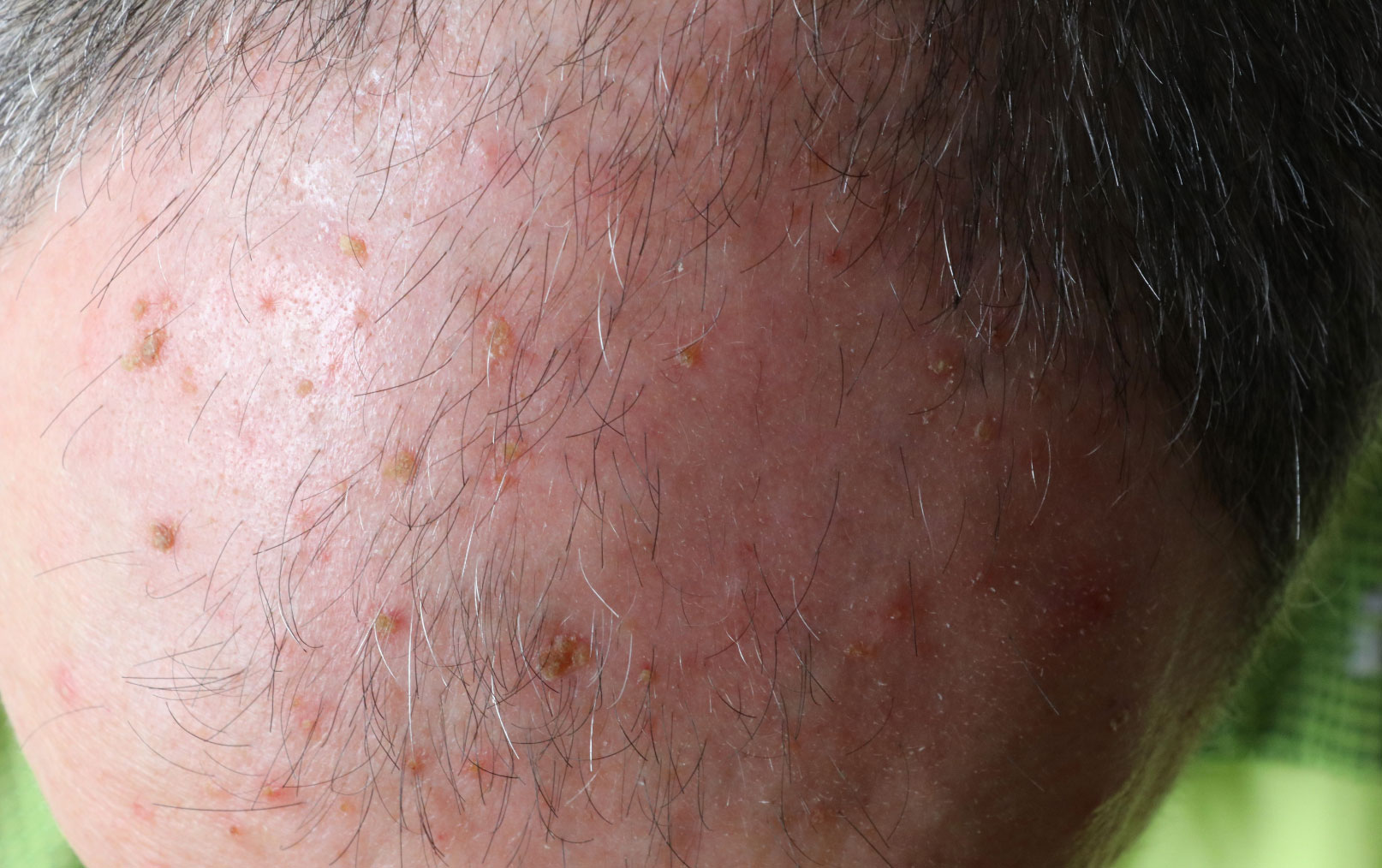
Some skin cancers, particularly melanoma, can develop in areas not routinely exposed to the sun, such as the soles of the feet, palms, and under the nails. Not all skin cancers present as moles or growths; some might look like a rash or a small lesion that bleeds or doesn’t heal. Regular self-exams and professional skin checks are vital for early detection.
Conclusion
Dispelling myths about skin cancer is crucial for improving public awareness and encouraging proactive skin health practices. Understanding the truths behind these misconceptions empowers individuals to take better care of their skin, seek shade, wear appropriate sun protection, and regularly check their skin for changes. Remember, early detection and prevention are key to fighting skin cancer. By fostering informed behaviours and attitudes towards sun exposure and skin health, we can collectively reduce the incidence and impact of skin cancer.






Leave A Comment